Evidence record · Wexford
1649 ADWexford Falls amid Mass Killing
Selskar Abbey anchors Wexford in a real urban place rather than reusing Drogheda’s image; the fall of the port mattered because massacre, negotiation, and maritime strategy collapsed into one shock.
Open the interactive frame→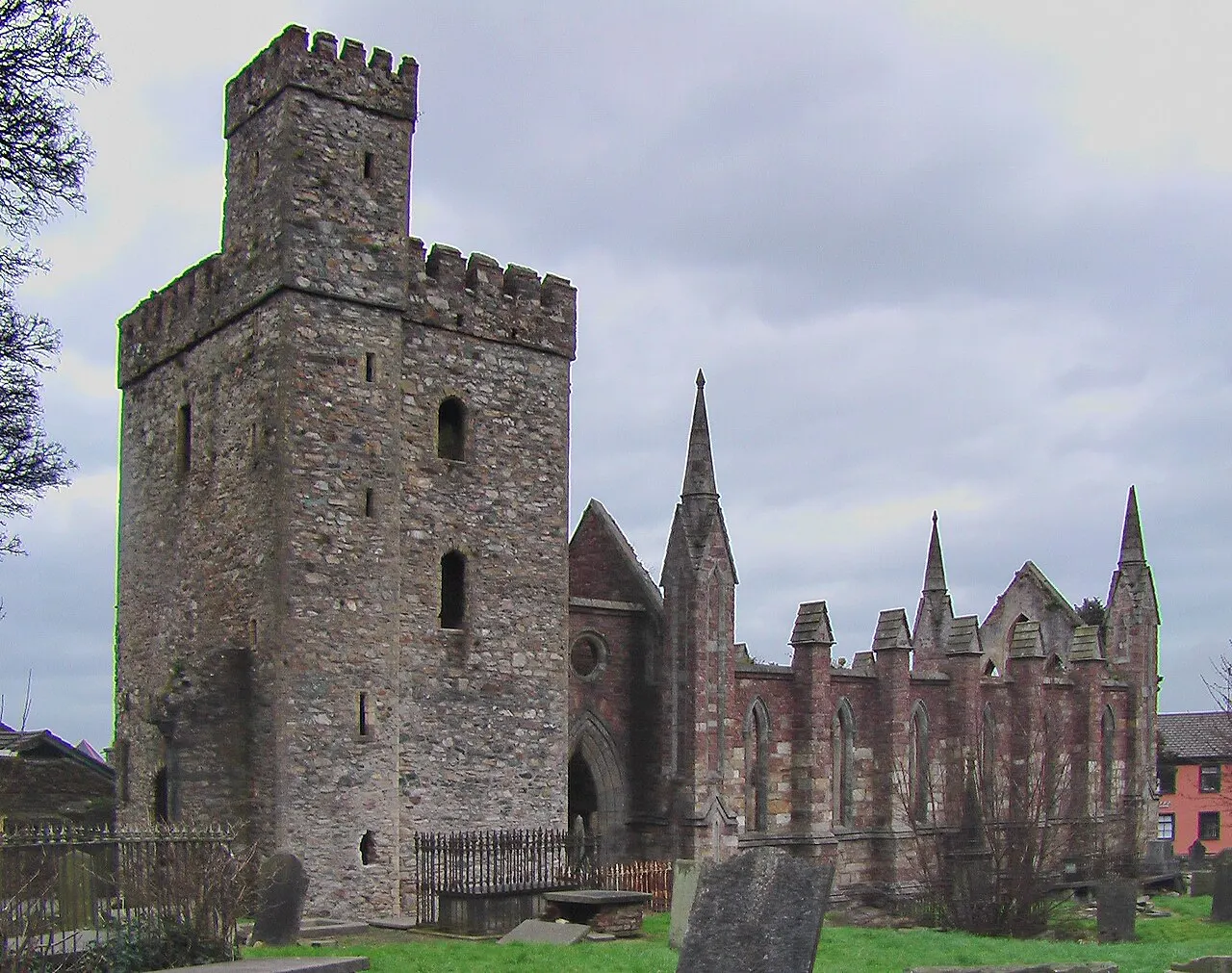
Why it matters
Force made visible
Evidence dossier
Read this moment as a hinge
2 minute source-led readForce changes the field
Read 1649 AD as a hinge, not a label. Selskar Abbey anchors Wexford in a real urban place rather than reusing Drogheda’s image; the fall of the port mattered because massacre, negotiation, and maritime strategy collapsed into one shock. That places “Wexford Falls amid Mass Killing” between “Cromwell Lands with the New Model Army” and “Clonmel Inflicts Heavy Losses”, while land, law, confession and settlement were being locked together into a durable order.
The social contract shifts
Bring the frame down to one life in Wexford: someone calculating risk with incomplete information and irreversible stakes. The public event is the visible surface; underneath it sits organisation, logistics, targets and the political consequences of violence, intersecting with class, family, welfare, identity and the rules that organise belonging.
What this changes next
Selskar Abbey anchors Wexford in a real urban place rather than reusing Drogheda’s image; the fall of the port mattered because massacre, negotiation, and maritime strategy collapsed into one shock. Its importance lies in the altered field it leaves behind: the next actors inherit different risks, institutions and choices. Remove this record and the move from “Cromwell Lands with the New Model Army” to “Clonmel Inflicts Heavy Losses” becomes much harder to explain.
Unexpected angle“Drogheda 1649” records remembrance rather than the event itself. That distance is useful: it shows what a later generation chose to make durable—and what it asked visitors to carry forward.
Source ledger