Evidence record · Ireland
1795 ADOrange Order Founded
The Orange Order emerged after sectarian conflict in Armagh. It became a powerful Protestant fraternal movement, binding memory, marching, loyalty, and identity into public ritual.
Open the interactive frame→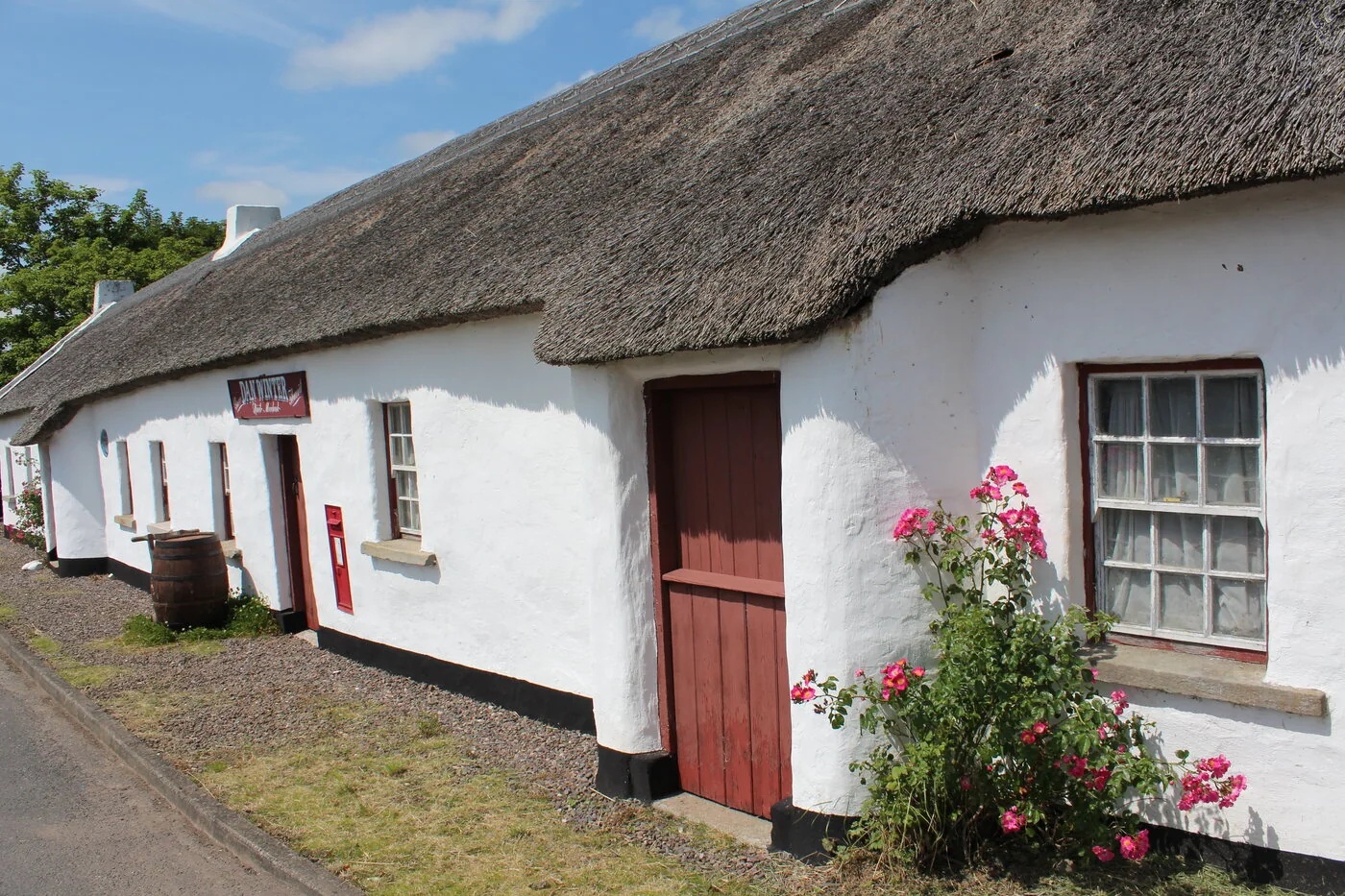
Why it matters
Culture made visible
Evidence dossier
Read this moment as a hinge
2 minute source-led readCulture doing political work
Read 1795 AD as a hinge, not a label. The Orange Order emerged after sectarian conflict in Armagh. That places “Orange Order Founded” between “The United Irishmen Are Suppressed” and “The French Fleet Reaches Bantry Bay”, while parliamentary manoeuvre, mass organisation and land pressure were competing to define representation.
Put one person in the frame
Bring the frame down to one life in Ireland: a participant who may experience identity before describing it as politics. The public event is the visible surface; underneath it sits language, ritual, sport, literature and symbols that travel farther than a speech.
What this changes next
It became a powerful Protestant fraternal movement, binding memory, marching, loyalty, and identity into public ritual. Its importance lies in the altered field it leaves behind: the next actors inherit different risks, institutions and choices. Remove this record and the move from “The United Irishmen Are Suppressed” to “The French Fleet Reaches Bantry Bay” becomes much harder to explain.
Unexpected angle“Dan Winters Cottage, July 2013 (01)” is representative, not eyewitness evidence. Use the gap creatively: compare what the image can suggest with what only the written record can establish.
Source ledger