Evidence record · Enniskillen, County Fermanagh
1987 ADThe Enniskillen Bomb Kills Eleven
An IRA bomb at a Remembrance ceremony killed eleven people that day and injured dozens, provoking revulsion across Ireland and Britain.
Open the interactive frame→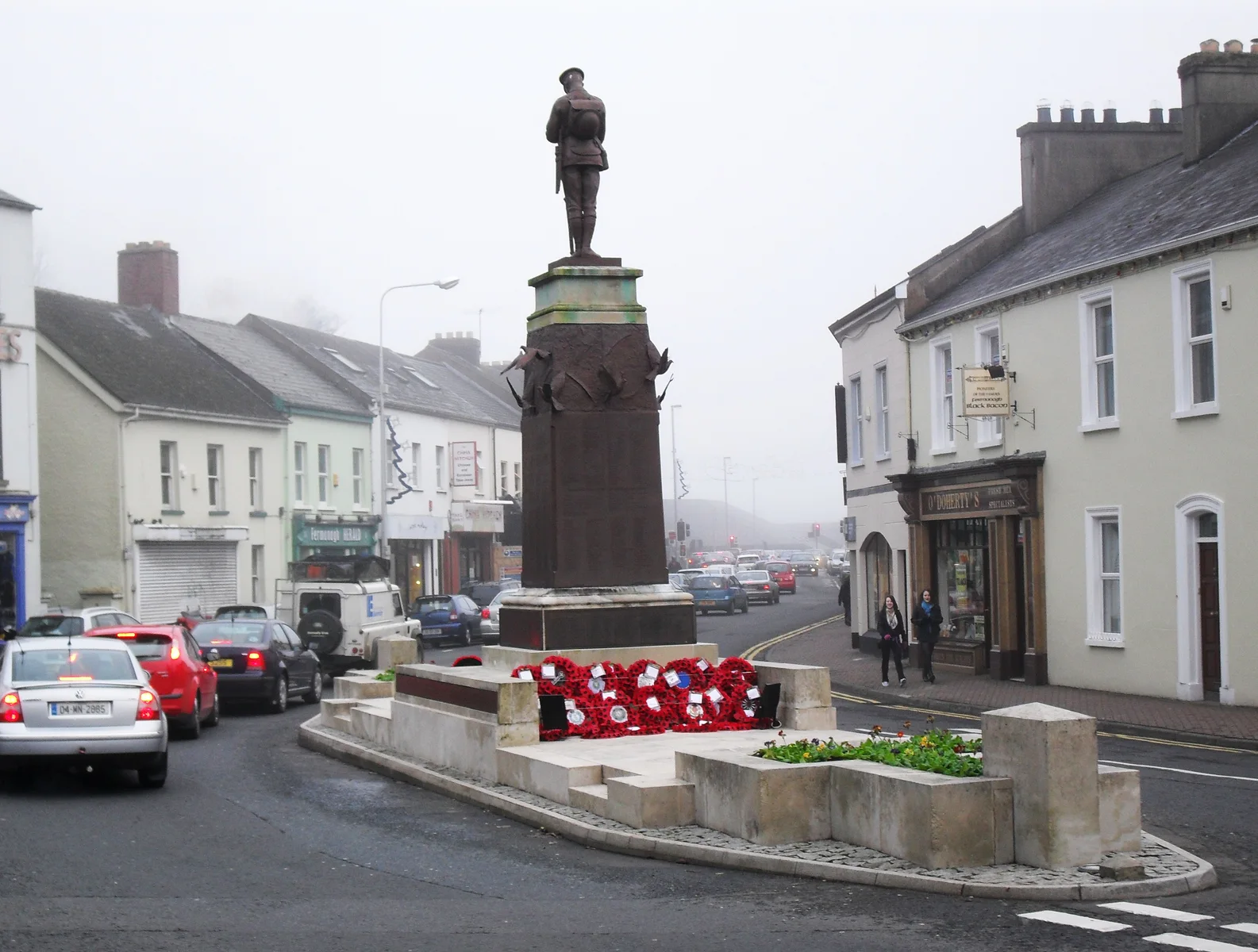
Why it matters
Force made visible
Evidence dossier
Read this moment as a hinge
2 minute source-led readForce changes the field
Read 1987 AD as a hinge, not a label. An IRA bomb at a Remembrance ceremony killed eleven people that day and injured dozens, provoking revulsion across Ireland and Britain. That places “The Enniskillen Bomb Kills Eleven” between “Anglo-Irish Agreement” and “Gibraltar and Funeral Killings Intensify Trauma”, while immediate harm and the longer construction of consent, accountability and peace had to be held in the same frame.
Follow the material pressure
Bring the frame down to one life in Enniskillen, County Fermanagh: someone calculating risk with incomplete information and irreversible stakes. The public event is the visible surface; underneath it sits organisation, logistics, targets and the political consequences of violence, intersecting with land, food, wages, rent, trade and debt beneath the public argument.
What this changes next
An IRA bomb at a Remembrance ceremony killed eleven people that day and injured dozens, provoking revulsion across Ireland and Britain. Its importance lies in the altered field it leaves behind: the next actors inherit different risks, institutions and choices. Remove this record and the move from “Anglo-Irish Agreement” to “Gibraltar and Funeral Killings Intensify Trauma” becomes much harder to explain.
Unexpected angle“The Cenotaph, Enniskillen / War Memorial at Belmore Street” records remembrance rather than the event itself. That distance is useful: it shows what a later generation chose to make durable—and what it asked visitors to carry forward.
Source ledger