Evidence record · Tara, County Meath
980 ADDublin Is Taken at Tara
Mael Sechnaill defeated the Norse of Dublin near Tara and forced the release of captives. The victory showed that Viking towns were powerful, but not beyond the reach of Irish kings.
Open the interactive frame→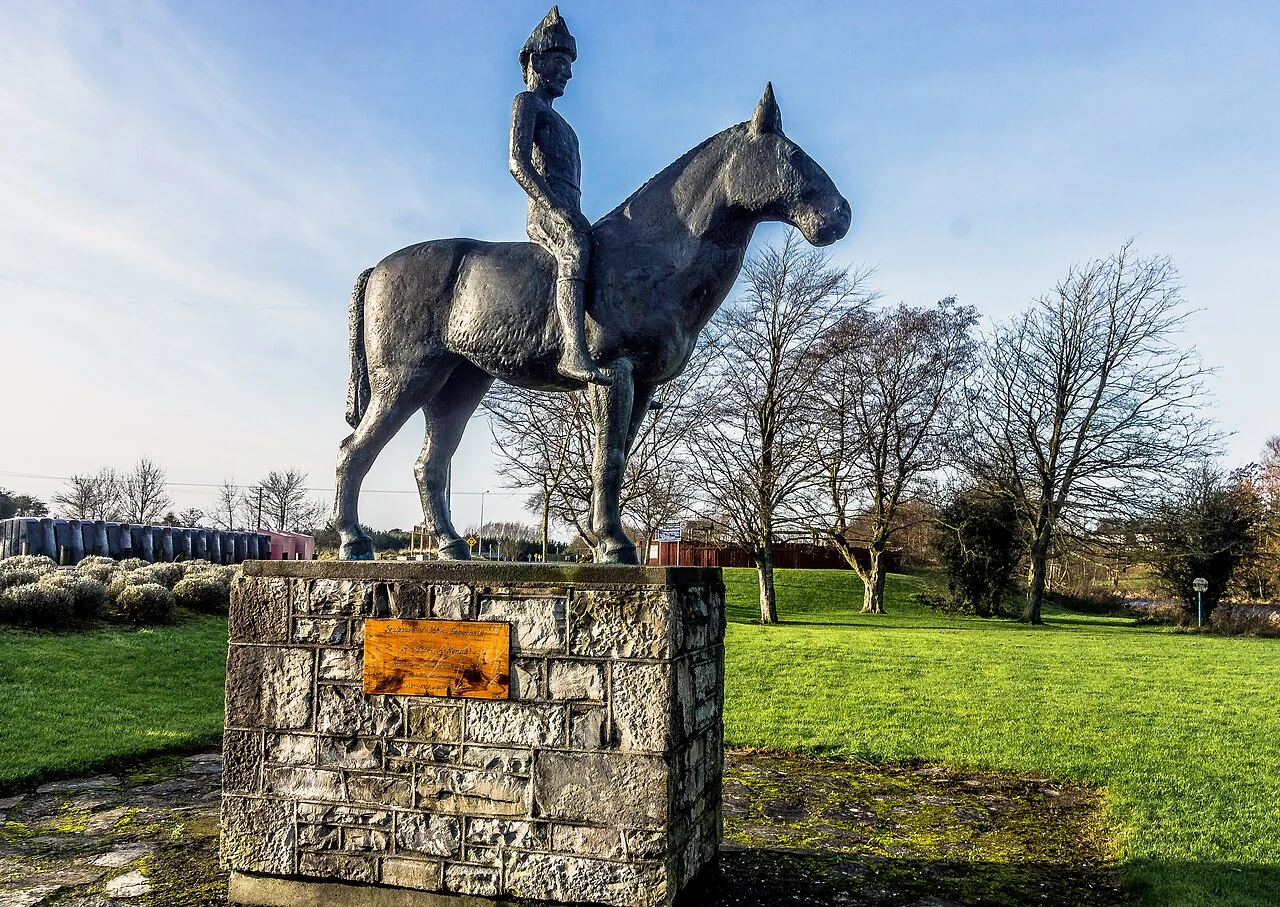
Why it matters
Society made visible
Evidence dossier
Read this moment as a hinge
2 minute source-led readThe social contract shifts
Read 980 AD as a hinge, not a label. Mael Sechnaill defeated the Norse of Dublin near Tara and forced the release of captives. That places “Dublin Is Taken at Tara” between “Waterford Returns to the Norse” and “Brian Boru Claims the High Kingship”, while one record was changing the range of choices available in the next.
Put one person in the frame
Bring the frame down to one life in Tara, County Meath: someone learning whether the changing order includes them on equal terms. The public event is the visible surface; underneath it sits class, family, welfare, identity and the rules that organise belonging.
What this changes next
The victory showed that Viking towns were powerful, but not beyond the reach of Irish kings. Its importance lies in the altered field it leaves behind: the next actors inherit different risks, institutions and choices. Remove this record and the move from “Waterford Returns to the Norse” to “Brian Boru Claims the High Kingship” becomes much harder to explain.
Unexpected angle“A sculpture of Máel Seachnaill II in Trim, Co. Meath, by James McKenna” is representative, not eyewitness evidence. Use the gap creatively: compare what the image can suggest with what only the written record can establish.
Source ledger