Evidence record · Ireland
c. 500 BCIron Age Worlds
Iron tools, hillforts, La Tene art, and heroic cultures reshaped the island. The evidence is fragmentary, but the mood is unmistakable: warrior elites, sacred places, and stories built to last.
Open the interactive frame→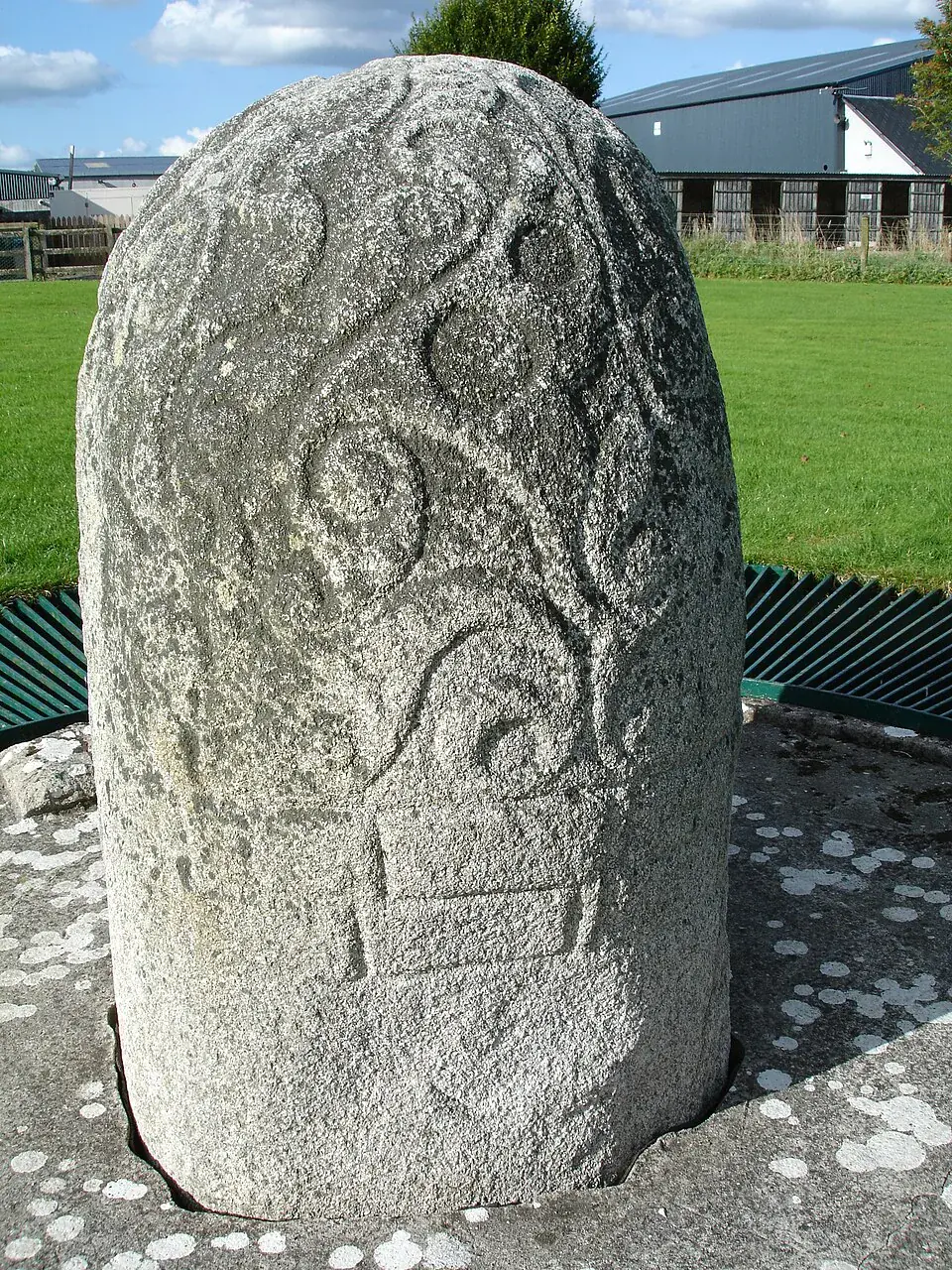
Why it matters
Force made visible
Evidence dossier
Read this moment as a hinge
2 minute source-led readForce changes the field
Read c. 500 BC as a hinge, not a label. Iron tools, hillforts, La Tene art, and heroic cultures reshaped the island. That places “Iron Age Worlds” between “Bronze Age Masterpieces” and “Ireland Enters the Map”, while one record was changing the range of choices available in the next.
Follow the material pressure
Bring the frame down to one life in Ireland: someone calculating risk with incomplete information and irreversible stakes. The public event is the visible surface; underneath it sits organisation, logistics, targets and the political consequences of violence, intersecting with land, food, wages, rent, trade and debt beneath the public argument.
What this changes next
The evidence is fragmentary, but the mood is unmistakable: warrior elites, sacred places, and stories built to last. Its importance lies in the altered field it leaves behind: the next actors inherit different risks, institutions and choices. Remove this record and the move from “Bronze Age Masterpieces” to “Ireland Enters the Map” becomes much harder to explain.
Unexpected angle“Stone of Turoe” is a direct archival trace, but it is still an argument made by framing. Ask what sits outside the image before treating visibility as completeness.
Source ledger