Evidence record · Iona and Kells
c. 800 ADThe Book of Kells Shines
The Book of Kells turned scripture into a storm of colour, knotwork, beasts, and sacred geometry. It is not only a manuscript; it is Ireland’s medieval imagination made visible on vellum.
Open the interactive frame→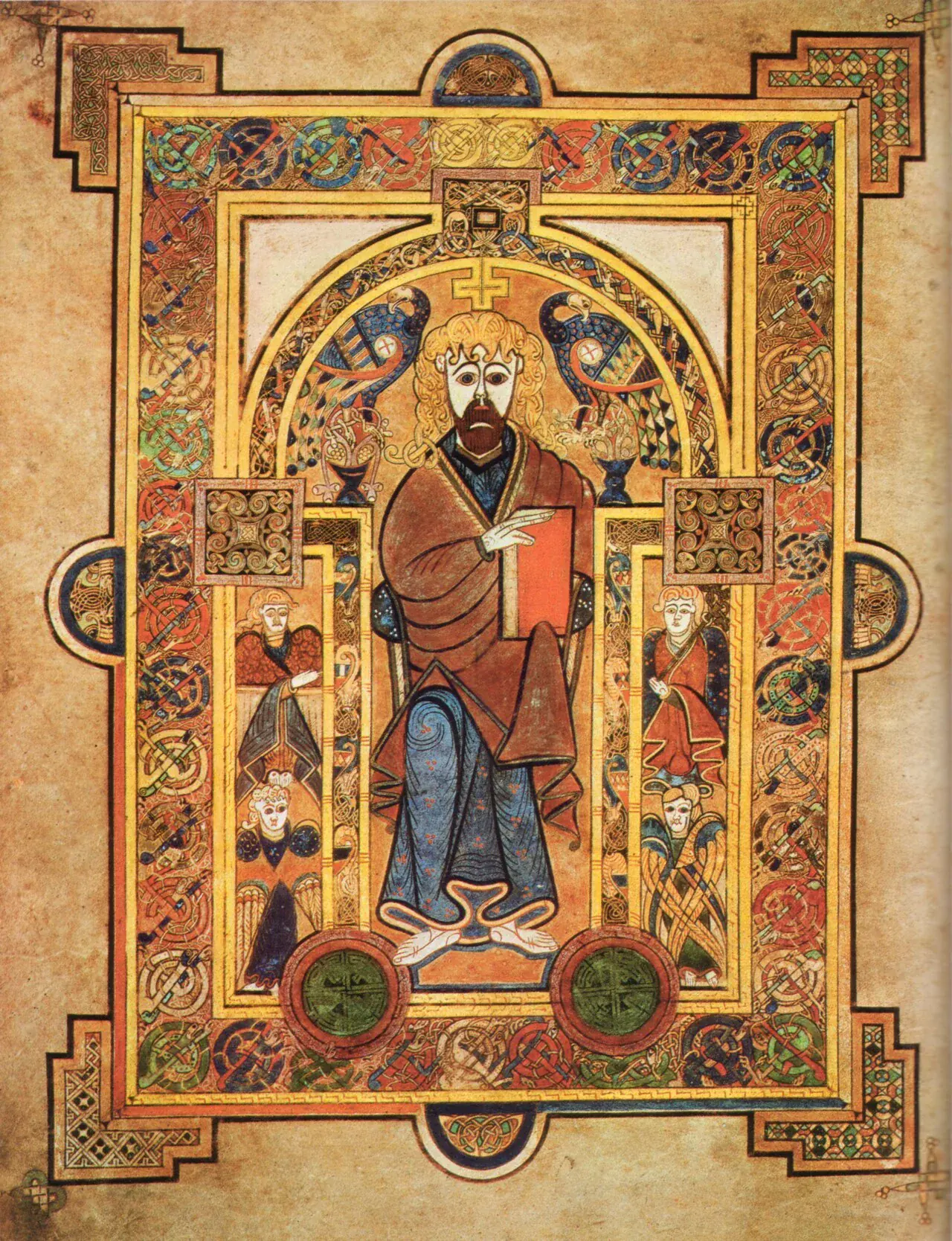
Why it matters
Economic life made visible
Evidence dossier
Read this moment as a hinge
2 minute source-led readFollow the material pressure
Read c. 800 AD as a hinge, not a label. The Book of Kells turned scripture into a storm of colour, knotwork, beasts, and sacred geometry. That places “The Book of Kells Shines” between “Viking Sails Appear” and “Dublin Becomes a Longphort”, while one record was changing the range of choices available in the next.
Culture doing political work
Bring the frame down to one life in Iona and Kells: a household balancing survival against rules made elsewhere. The public event is the visible surface; underneath it sits land, food, wages, rent, trade and debt beneath the public argument, intersecting with language, ritual, sport, literature and symbols that travel farther than a speech.
What this changes next
It is not only a manuscript; it is Ireland’s medieval imagination made visible on vellum. Its importance lies in the altered field it leaves behind: the next actors inherit different risks, institutions and choices. Remove this record and the move from “Viking Sails Appear” to “Dublin Becomes a Longphort” becomes much harder to explain.
Unexpected angle“KellsFol032vChristEnthroned” is representative, not eyewitness evidence. Use the gap creatively: compare what the image can suggest with what only the written record can establish.
Source ledger